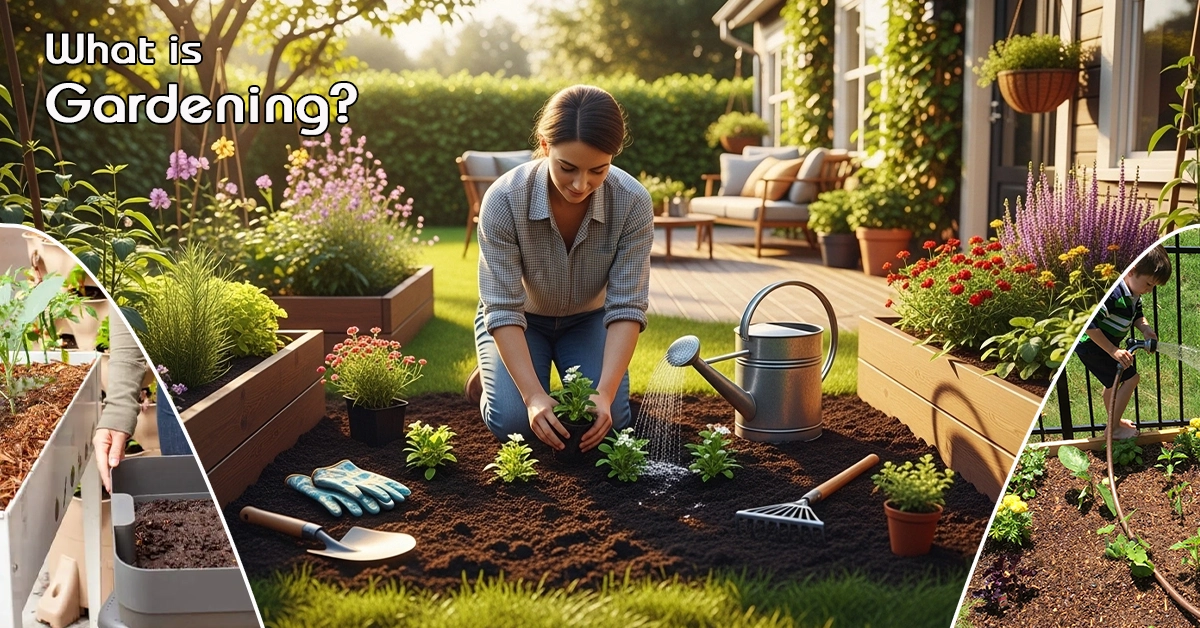
A beautiful garden is like a crowning jewel of your house. You can achieve it through gardening. It is beneficial for your health and is an extremely rewarding hobby. Imagine picking your favorite vegetables and herbs from your garden that you grew. Sounds amazing, right?
This is why, in this beginner-friendly blog, we will learn about what gardening is and how you can grow a thriving home garden.
Key Takeaways
- Gardening supports both property value and lifestyle by supporting mental wellness and creating a functional yet beautiful outdoor space.
- To start home gardening, you need to plan and evaluate your soil health.
- Choosing the right plants and methods is important for sustainability and enhancing yields.
- Practices like vertical gardening and raised beds make it easy to grow food and greenery even in small and urban spaces.
What is Gardening?
Gardening is the practice of growing different plants and flowers for food, environmental benefits, beauty, or personal enjoyment. It ranges from growing flowers in small containers to designing full landscapes and growing vegetables at home.

The common types of gardening include
- Ornamental gardening that focuses on growing flowers and decorative plants
- Vegetable gardening for growing food at home
- Container gardening for growing plants in pots and small spaces
- Landscape gardening to design outdoor spaces for beauty and function
Benefits of Growing a Home Garden
Below are some of the benefits of gardening that make it so much more fun.
Increased Exercise
A busy day in your garden means a great amount of exercise. When you are tending to your garden, you are mimicking functional movements of whole-body exercise. For instance, you perform squats and lunges, carry bags of mulch, dig, rake, and use a push mower; all of them are intense physical activities.
Improved Diet
Growing your own fruits and vegetables is excellent for you. You can grow different seasonal vegetables and fruits and learn about their advantages to truly reap the benefits of your home garden.
Time in Nature
Going outdoors is superb for your physical and mental health, particularly when you spend your time doing your favorite hobby. It improves your immune system and increases oxygen levels in your blood.
Reduced Stress Levels
All forms of exercise, including gardening, reduce stress levels. When you keep yourself busy with planting, watering, and taking care of plants, it automatically lightens your mood and lowers your anxiety.
Home Garden Planning: Start Smart
You need to plan properly before starting your own garden. Begin by assessing your space. See the amount of sunlight you get, the wind pattern, and ensure water access.
Then set your goals, meaning why do you want to start the garden? Ask yourself whether you want to grow your own food, beautify your space, or have a low-maintenance landscape.
Start small to manage costs and expand your garden gradually. Moreover, thoroughly research the planting season in your region for success.
Understanding Soil Health and Preparation
Your garden can only thrive if its soil is healthy. Here are six basics of healthy soil.

Know your Soil Type
Before starting, dig up some soil from your garden and closely look at its texture.
- Clay soil has dense, tiny particles that hold nutrients and moisture.
- Sandy soil has large particles.
- Silt has fine particles packed together tightly.
- Loam has a balance of all these particles, making it ideal for most plants.
Test Your Soil’s pH
Your soil’s pH determines its fertility. pH above 7.5 means your soil is too alkaline, and pH below 5.5 means it is too acidic. To test the pH, you have two options.
- DIY Soil Test Kit: You can buy an electronic tester or an instant-read soil test kit for fast results.
- Professional Soil Analysis: Send your soil samples to a lab and have it analyze your soil’s pH and nutrient content.
Use Organic Matter
You can significantly improve your soil’s quality by adding organic matter. You can use fallen leaves, manure, and composted yard waste.
Utilize Mulch
You can add natural compost to your soil through mulch, as it does not disturb plant roots. You spread it over the surface, and it decomposes naturally. Mulch also reduces weed growth, retains moisture, and keeps the soil cool in summer.
Choose a No-Till Approach
Tilling (the practice of turning over and breaking the soil) has many drawbacks. It increases weed growth and disturbs the beneficial burrowing of earthworms. It also interrupts the activities of important soil microorganisms. Therefore, favoring a no-till approach is often better for your garden.
Choosing the Right Plants for Your Garden
After planning your home garden and understanding the soil type, you need to choose the right sort of plants.
- Plant Size: Make sure your garden has enough space to accommodate the plants you want to grow.
- Function and Aesthetics: Choose whether you want function, aesthetics, or both. Your plants can provide shade, attract pollinators, cover bare soil, provide food, add bright colors, or create a peaceful green corner.
- Native and Non-native Plants: Choose native plants, as they are already well-adapted to your region’s environment and require little care to grow.
- Maintenance Requirements: Consider how much you can dedicate to your garden. High-maintenance plants need more time, while low-maintenance plants thrive even with little care.
- Watering Requirements of Plants: Every plant has specific water requirements. Drought-tolerant plants grow well in dry spots, while plants that like moist soil need damp spots.
Easy Plants for Beginners
These are the best plants to grow for beginners.
- Flowers: Sunflowers, petunia, pansies, zinnia, and marigolds
- Vegetables: Tomatoes, peas, lettuce, zucchini, squash, chillies, radishes, and spinach
- Herbs: Coriander, mint, chives, basil, and rosemary
- Fruits: Strawberries, blueberries, raspberries, and loquats
Garden Design and Layout Basics
To enhance the beauty and usability of your garden, thoughtful design is necessary. The basic layout strategy should be
- Putting shorter plants at the front and taller ones at the back
- Creating a proper visual balance
- Adding focal points like flowers and decorative pots
Raised Garden Beds and Vertical Gardening
Raised garden beds and vertical gardening are among the best ways to make the most of your home garden.
Raised Garden Beds
Raised garden beds are planting areas built above ground level. They are filled with improved soil and are framed with wood, brick, or metal.
The benefits of these garden beds include
- Better drainage
- Reduced physical strain
- Improved soil control
- Fewer weeds
- Longer growing seasons
The best crops for raised beds are
- Leafy greens, like spinach, kale, and lettuce
- Herbs, like basil, mint, and coriander
- Root vegetables, like carrots, beets, and radishes
- Tomatoes
- Peppers
Vertical Gardening
Vertical gardening means growing plants upwards instead of spreading them out on the ground. It is great for balconies and small gardens, as it maximizes limited space and makes harvesting easier.
Some good vertical gardening ideas include
- Wall planters: Mounted containers are great for succulents, herbs, and small flowers.
- Trellises and supports: These are perfect for climbing plants like beans, peas, cucumbers, and gourds.
- Hanging baskets: These are superb for strawberries and trailing flowers.
- Stacked planters or tower gardens: They allow you to grow multiple plants vertically, taking up less space.
You can grow the following in your vertical garden.
- Cucumbers
- Beans
- Peas
- Tomatoes
- Strawberries
- Ivy and flowering vines
Watering Systems and Efficient Irrigation
Having a proper watering system is essential for plants. Overwatering and underwatering both are dangerous and can weaken roots and impact yields. An efficient irrigation system ensures plants receive consistent moisture in balance.
Drip Irrigation Benefits
- It slowly and in a controlled manner provides water to the soil, reducing evaporation and runoff.
- The water reaches the root zone properly and encourages deeper root growth.
- It keeps leaves dry, preventing fungal diseases and mildew.
- As moisture is delivered only to the desired plants, the chances of weed growth are significantly reduced.
- You can automate it with timers for consistent watering, saving you time and effort.
When to Water for Best Results
Water early in the morning so plants absorb maximum moisture before the heat causes evaporation. However, if morning watering is not possible, water in the late evening to allow plants soak up the moisture overnight.
Organic and Sustainable Gardening Practices
- Use mulch beds to help soil retain moisture.
- Do not use water sprinklers, as they result in more water loss due to evaporation.
- Instead of using chemical sprays, pull weeds by hand.
- Reuse your clay, plastic, and other plant pots. Make sure to recycle your plastic pots instead of sending them to the landfill.
- Have your own compost pile to send valuable plant material back to your yard’s soil.
Seasonal Garden Care Tips
- In spring, prepare your yard’s soil and plant new crops.
- In summer, water consistently and control weeds.
- In the fall, harvest remaining produce and enrich the soil.
- In winter, focus on protecting plants and plan next season.
Common Beginner Mistakes to Avoid
Here are some common pitfalls to avoid as a beginner gardener.
- Ignoring sunlight needs
- Overwatering plants
- Using poor-quality soil
- Planting too many varieties at once
- Neglecting spacing requirements
Wrapping Up
For people wondering what gardening is, this guide covers it in detail. It is indeed one of the most rewarding home improvement projects, as it beautifies your property, improves health, and promotes sustainability.
Ready to upgrade your house? Feel free to visit Home Improvement Advise for more blogs.
FAQs
How can I start a Home Garden without any Experience?
You can start with container gardening and grow herbs and leafy greens. Select a sunny spot, choose good-quality soil, and focus on a few plants before expanding.
What are the Best Drought-tolerant Plants?
For drought-prone homes, the best plants are succulents, lavender, rosemary, ornamental grasses, and native plants, as they need minimal watering.
What Plants should I use to attract Pollinators and Improve Garden Productivity?
Marigolds, lavender, sunflowers, basil flowers, and native wildflowers attract bees and butterflies that support plant reproduction.
How can I Improve Soil Health without using Chemical Fertilizers?
Add compost, grow cover crops, mulch regularly, and rotate plants seasonally to maintain soil fertility and microbial health.